
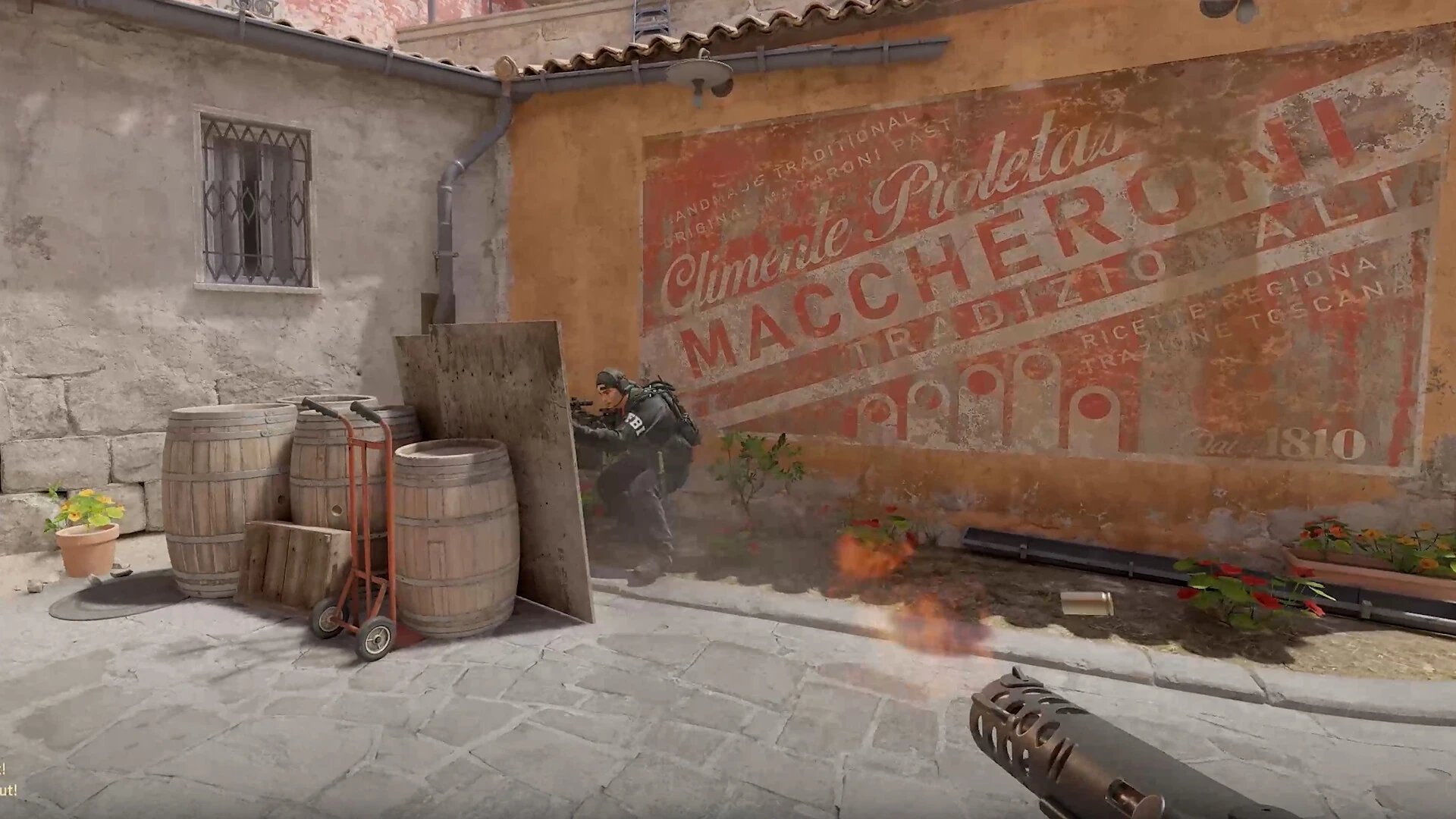
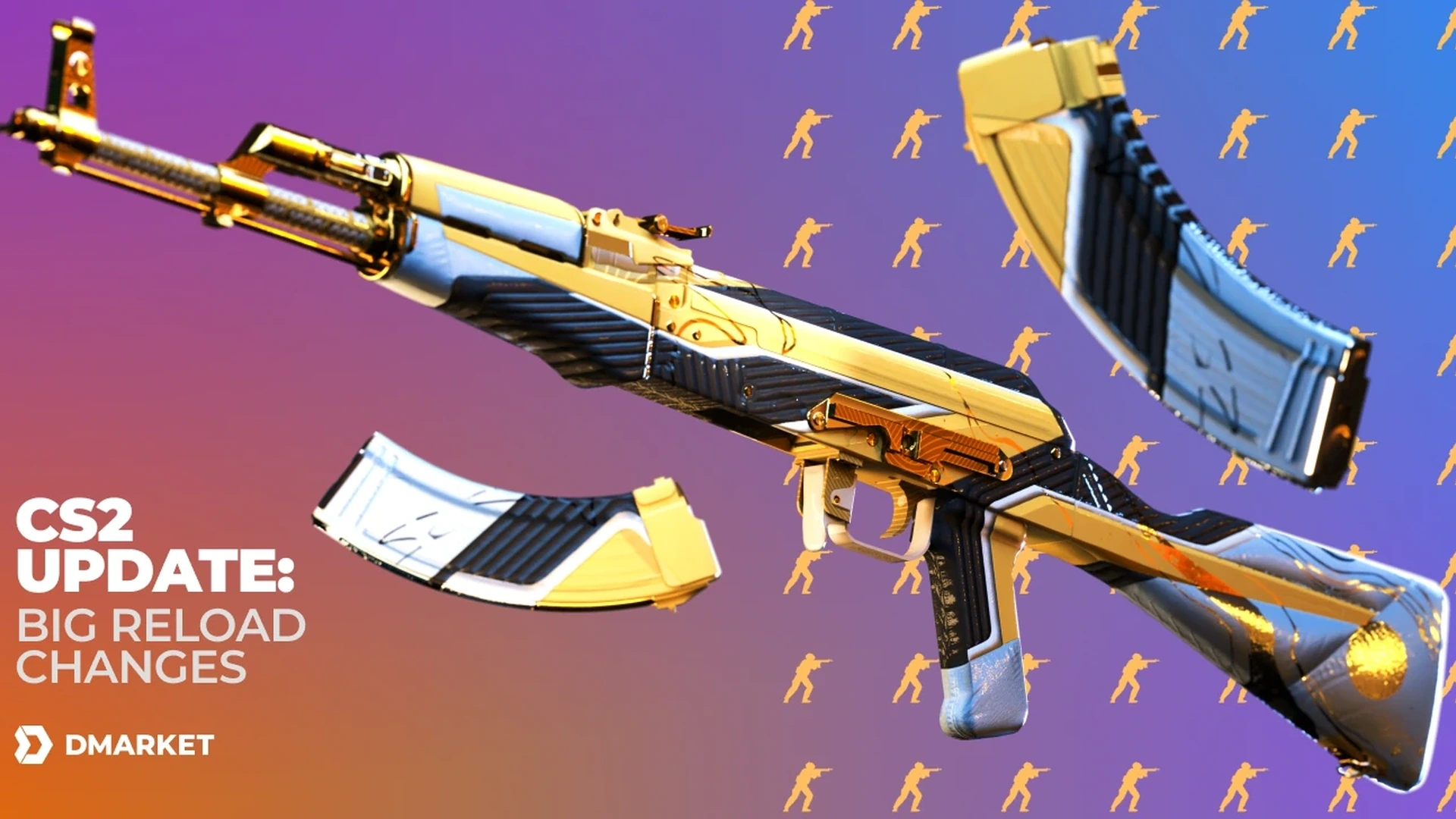
Counter-Strike 2 players are now choosing between a fast reload and keeping an important sound hidden. Valve’s newest update introduces a silent option that takes longer to finish, and it also strips the sound from unscoping a sniper rifle while reworking several match systems.
The quiet reload is triggered by holding the current reload button. A regular tap still gives the familiar quicker animation, so instead of swapping one animation for another, the patch provides two inputs for two different tactical moments. That decision stands out in a release that also brings in Rush, changes Premier map selection and overhauls crosshair settings.
Hiding the reload sound can stop an opponent from pushing right as a magazine is swapped. The downside is exposure: since the silent version runs longer, a misjudgment means the player can’t shoot for a longer stretch. Before holding the button, cover, where teammates stand and how far away the enemy is likely to be all matter.
Snipers get their own kind of information edge. Coming out of a scope no longer makes a sound, so an enemy can’t rely on that noise alone to tell that a player is ready to shoot again. Without that cue, movement and weapon history carry more weight.
The right reload depends on the state of the round
Picture a defender alone behind cover. If the attacker stands far enough back to be wary of a possible peek, hiding the reload may keep them guessing and make the extra time worthwhile. If the attacker is already close, finishing the faster animation may be the safer call, even though it can be heard.
So the mechanic rewards reading the opponent instead of memorizing a single favorite input. Players who always stay silent risk getting caught mid-animation. Players who never do it keep giving away a timing that a watchful enemy can take advantage of.
Valve fixed animation issues in a follow-up on September 23. That matters for competitive clarity: if teams are going to plan around a longer reload, it has to look the same to the player and to someone watching.
- Pick the silent input when hiding the sound is worth spending extra time without a weapon ready.
- Stick with the normal reload when speed matters more than concealing the noise.
- Don’t count on hearing anything when a sniper comes out of a scope.
- Recheck your crosshair values, since the new measurements don’t depend on resolution.
- Expect a random pick once both Premier teams have nominated four maps in total.
Rush is the release’s second tactical testing ground. In this queued 3v3 format, small squads move through shifting battle arenas toward the enemy castle. Taking the tower after an elimination, or once the timer runs out, is the main round goal, so calls have to be made with less room and fewer teammates than in a standard match.
Valve tweaked the new mode a day after launch. On end rooms and Convoy, the maximum countdown after an elimination went from 7 seconds up to 14 seconds. Warmup, freeze time and technical pauses were cut down, suggesting Valve wanted setup to stay short while giving the objective sequence more room to play out.
Premier brings uncertainty in another form. Team 1 nominates one map, Team 2 adds two, and then Team 1 provides the final pick. The server randomly selects one of those four. Each side can put practiced maps into the pool, but neither can force the final arena.
Configuration and map details round out the release
The updated crosshair system measures thickness and length in pixels, which removes one source of differences between display resolutions. A dedicated Crosshair/Scopes page groups the controls, and new styles widen the range of shapes players can set up. These are preparation tweaks, but consistent sizing across hardware makes them relevant in competition.
Map upkeep covers Ancient, Cache, Mirage and Train. On Mirage, the gap between Balcony and Palace has been closed off. Other fixes deal with geometry, clipping and holes, while clearer bullet-impact decals make it easier to read the result of shots. Valve also moved the game onto the newest Source 2 engine code.
Clan tags are back via Steam Community Groups, adding a visible social feature alongside the mechanical changes. The scope of the update is unusual: one release touches audio deception, a compact game mode, the Premier queue, personal settings and several competitive maps.
| Choice point | New option | Trade-off |
|---|---|---|
| Magazine change | Hold for silence | Slower completion |
| Sniper view | Silent unscoping | Old cue gone |
| Rush round | 3v3 tower control | Tighter team resources |
| Premier pool | Four nominated maps | Random final map |
| Crosshair setup | Pixel-based values | Steady display sizing |
The patch is easiest to understand as a set of deliberate trade-offs. Silence is possible but slower, teams can shape the Premier map pool without choosing the final map, and Rush squeezes familiar aim and trading into a smaller format with a different goal.
The first thing to practice is the reload call. Players have to get a feel for the extra time before they can judge when hidden audio is actually worth it. Used with intent, the option can save a round; used on autopilot, its delay can open the very gap it was supposed to conceal.
Comments